
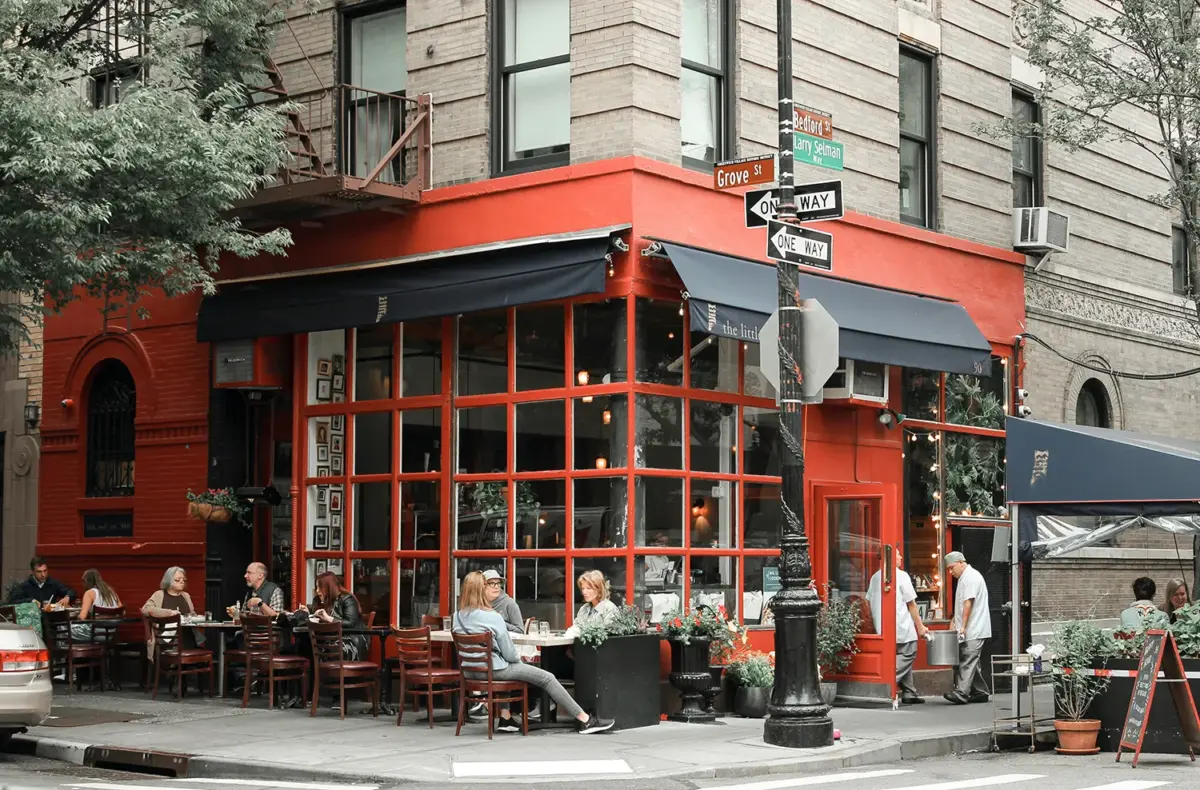
New York City offers an extraordinary range of dining experiences, from neighborhood counters serving time-tested recipes to polished rooms where every detail feels carefully considered.
A memorable meal, though, depends on more than what arrives on the plate. Service, timing, atmosphere, and a clear sense of place all shape how guests remember a restaurant. Knowing what to look for can help you choose a spot that fits the occasion and appreciate the work happening behind the scenes.
A Menu With a Clear Point of View
Strong New York restaurants know what they want to be. Their menus may focus on one regional cuisine, showcase seasonal ingredients, or refine a familiar neighborhood staple. They don’t need dozens of choices to satisfy guests. A shorter menu with a focused identity often indicates that the kitchen can execute each dish consistently.
Before booking, read the menu online and look for a connection between the restaurant’s concept and its food. Lists of must-try New York restaurants can provide a useful starting point, but your personal preferences still matter. Check recent menu photos, confirm prices, and make sure dietary needs can be accommodated before you arrive.
Service That Keeps the Meal Moving
Good service feels attentive without becoming intrusive. Your server should explain unfamiliar dishes clearly, check for allergies, and keep each course moving at a comfortable pace. Small details matter, such as bringing water promptly or noticing when a table is ready to order.
Technology also plays a part in the experience, even when diners barely notice it. Behind the scenes, restaurants may use systems that help staff manage orders and process payments efficiently. A restaurant POS device can support these tasks, helping keep orders organised and checkout straightforward. For guests, that can mean fewer payment delays and a smoother end to the meal. When reading reviews, look for repeated comments about service pacing and order accuracy since patterns are more useful than one unusually good or bad visit.
Atmosphere Should Fit the Occasion
The best dining room depends on why you’re going out. A lively East Village spot might suit dinner with friends, while an anniversary meal may call for softer lighting, comfortable seating and enough quiet for conversation. Music volume, table spacing and temperature can have as much influence on the evening as the decor.
Recent guest photos often reveal more than staged promotional images. Look at the distance between tables and note whether the room appears crowded during peak hours. If conversation matters, call ahead and ask about quieter seating. Outdoor tables can be appealing, but traffic noise, weather, and sidewalk activity should factor into your decision.
A Sense of New York
A great meal in New York often reflects its neighborhood. That connection might come through a family recipe, ingredients sourced from nearby markets, or a dining room that preserves part of a building’s history. Restaurants with a strong local identity give you something more distinctive than an experience that could take place in any city.
You can explore that relationship through a historic East Village food tour that connects neighborhood stories with the foods served there. Established dining rooms also provide a window into different eras of city life. These iconic NYC restaurants show how certain establishments become part of New York’s cultural memory.
Value Goes Beyond the Check
Value is the relationship between the price and the full experience. A modest noodle shop can offer excellent value through generous portions and quick service, while an expensive tasting menu may justify its cost through rare ingredients, technical skill, and several hours of attentive hospitality.
Review the menu before reserving so the final check doesn’t come as a surprise. Account for beverages, tax and gratuity as well as possible supplements. Reservation policies deserve attention too, especially if a restaurant charges for late cancellations. At the table, value becomes easier to judge: dishes should arrive at the intended temperature, portions should match the format, and the staff should respond promptly when something needs correction.
The Details You Remember
Memorable hospitality often comes down to a few precise moments. A host may acknowledge a special occasion without making it awkward. A server might suggest a dish that fits your tastes instead of automatically pointing toward the highest-priced option. The kitchen may adjust the pace when your conversation runs longer than expected.
No restaurant delivers perfection every night, especially in a city where dining rooms can turn several tables during one service. Still, the staff’s response to a delay or mistake says a great deal. When the food expresses a clear idea, and the room makes you feel welcome, you leave remembering far more than a single dish. In New York, that feeling is often the surest sign that a restaurant deserves another visit.
